Tajikistan Casino Legal Framework: The Raw Truth
Casino gambling inside Tajikistan operates under a near-total prohibition that catches even seasoned regional operators off guard. The 2009 gambling ban wiped out every licensed house, slot hall, and poker room overnight, and the state never looked back. That single legislative strike is why Tajikistan Casino searches spike with confusion rather than bookings. The law does not wink at loopholes the way Kyrgyzstan or Kazakhstan sometimes do. It slams the door shut, bolts it, and welds the hinges.
What the 2009 Prohibition Actually Killed
Before the ban, Dushanbe hosted a handful of private clubs and a few underground tables catering to expats and regional traders. Revenue was never massive, but the scene existed. Parliament framed the shutdown as moral cleanup and anti-addiction policy. In practice, it handed the entire market to unlicensed operators running backroom games through shell companies. The legal casino market died; the black market simply changed addresses. 🎰
Today, anyone caught running or even facilitating casino-style wagering faces criminal liability under Article 253 of the Tajik Criminal Code. Penalties escalate fast: fines, asset seizure, and custodial sentences for repeat offenders. This is not a gray zone. It is a red wall.
Why Crypto and Offshore Platforms Still Target Tajikistan
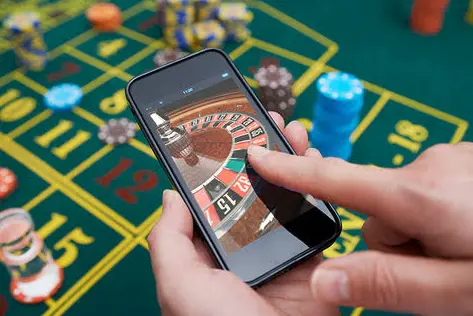
Offshore online casinos accept Tajik players because enforcement is patchy and payment rails are thin. Somoni-to-crypto conversions through informal brokers let users deposit into Curacao-licensed platforms without touching a domestic bank. The state blocks known domains sporadically, but mirror sites respawn within hours. For the offshore operator, Tajikistan is a low-value, low-risk traffic source. For the player, it is a legal minefield with zero consumer protection. 💸

The Enforcement Gap and Its Real Cost
Domestic enforcement focuses on physical raids, not digital forensics. That asymmetry means a player sitting in Khujand with a VPN and a Binance account is statistically safer than a café owner hosting three card tables in the basement. But statistical safety is not legal safety. The Tajikistan Casino question has one hard answer: no licensed venue, no legal domestic operator, no regulatory path for a brick-and-mortar house. Any platform claiming otherwise is lying through its teeth.
Regional comparison matters here. Uzbekistan licenses casinos in Tashkent’s special zones. Kazakhstan runs legal halls in Almaty and Nur-Sultan. Tajikistan stands alone in Central Asia with a blanket ban and no special economic carve-out. That isolation is deliberate, and it is not softening.
What This Means for Operators and Affiliates
Affiliates pushing Tajik traffic into offshore casino funnels are playing a volume game with razor-thin margins. Conversion rates are low because trust is low and banking friction is brutal. Operators who ignore the ban and attempt physical setups face rapid interdiction. The only sustainable play is geo-targeting Uzbekistan or Kazakhstan users who can legally cross into licensed zones. Tajikistan itself remains a dead end for any legitimate casino operation. 🚫
Payment processors serving Tajik users should audit their risk exposure. Even indirect facilitation of unlicensed gambling can trigger liability under local anti-money laundering statutes. The compliance cost outweighs the revenue every single time. That math has not changed since 2009, and no parliamentary committee has tabled a reversal bill.