What Squeeze Baccarat Actually Does to the Shoe
Squeeze baccarat at a US live dealer casino is not a new game variant — it is a theatrical delay mechanic bolted onto a standard eight-deck shoe, and the math underneath it stays identical to conventional baccarat whether you like it or not. The squeeze is the ritual of revealing the third card face-down, bending it millimeter by millimeter, letting the table scream at a card that was already decided the moment the shoe was shuffled. 🎴 Strip away the camera angles and the host's fake tension and you have the same drawing rules, the same commission on banker, and the same house edge staring back at you.
The Hardware Pipeline Behind the Squeeze
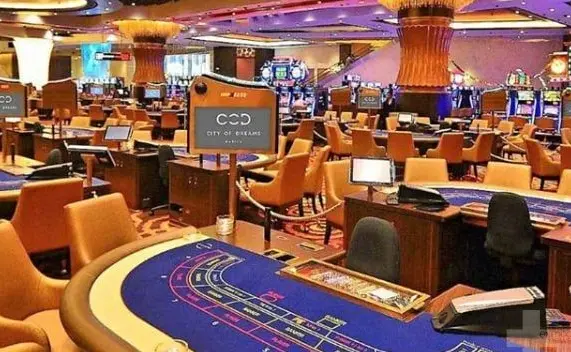
Here is what the marketing page will never tell you: the squeeze is a hardware problem before it is a gameplay problem. A live dealer studio running squeeze tables needs an overhead camera rig with macro focus, a dedicated squeeze table with a raised lip so the card can be peeled without slipping, and a card-reader or RFID shoe that logs the value before the human eye ever confirms it. The delay between the shoe's sensor reading the card and the dealer physically bending it is where the tension lives — and it is engineered, not organic. Any operator claiming the reveal is "live and unscripted" is selling you a stage play with a fixed script.
Why the Squeeze Changes Your Bankroll, Not Your Odds
I have audited enough live dealer floors to say this flatly: the squeeze does zero to the underlying probability. What it does do is slow the game to a crawl. A standard baccarat round at a live table might resolve in 25 to 40 seconds; a squeeze round can stretch to 90 seconds or more because the dealer is milking the peel for drama. That reduced hands-per-hour is the real variable. Fewer rounds means less exposure to the house edge per hour, which sounds great until you realize it also means you sit through more hands to reach any meaningful sample size. For grinders chasing volume, squeeze baccarat is a trap dressed as a treat.
Card Peeking, Burn Cards, and the Shoe Integrity Question
The genuine technical concern with squeeze baccarat is shoe integrity under physical manipulation. Every time a dealer peels a card, the card is stressed, bent, and handled longer than in a standard dealing shoe. On a well-run table this is irrelevant because the shoe is swapped at a fixed penetration point and cards are retired. On a sloppy table, repeated squeezing shortens card life and can introduce subtle warping that affects shuffling randomness — a marginal risk, but a real one when you are talking about live dealer casino operations that cut corners on hardware rotation. 🃏 Ask about card replacement cycles before you sit down; the answer tells you everything about the operation's discipline.
The Commission and Table Limits You Are Actually Playing
US-facing live studios standardize squeeze tables at $5 to $500 limits with the standard 5% banker commission, and the squeeze format carries no side-bet adjustment, no altered payout, no reduced house edge. The squeeze baccarat experience is psychological product design — it weaponizes anticipation to keep you seated, and seated players bet more hands over a session. The only genuine edge you can extract is informational: know the penetration point, track the shoe honestly, and refuse to let the theatrical pacing pull you into larger bets than your bankroll plan allows. The squeeze is a show. The odds are not impressed by it.