Jordan Casino Floor: Are Casinos Legal?
Strip away the marketing gloss and the real question on the Jordan casino floor is brutally simple: the second you cross a jurisdictional line, the legal status of every chip in your hand flips like a rigged coin. I have audited gaming floors across the region, and the Jordanian framework is not a gray zone for casual tourists — it is a hard regulatory wall with almost no doors. 🎰
Here is the uncompromising truth. Under Jordanian national law, all forms of commercial gambling are prohibited. That includes casino table games, slot machines, sports bookmaking, and unlicensed online wagering. The state does not hand out casino licenses to private operators, so there is no such thing as a "legal" casino floor inside the country. Any venue claiming otherwise is operating in violation of the law, and the enforcement history proves the authorities mean it.
The Only Legal Gaming Channel: The National Lottery
Before you assume the entire kingdom is a gaming desert, look at the single carve-out. The government operates a state-controlled lottery through an official national entity. This is the only sanctioned gaming product, and it is tightly ring-fenced: fixed prize structures, government oversight, and zero table or machine play. If you see a slot machine humming anywhere in Jordan, it is not regulated — it is contraband hardware. 💡
For anyone researching casino legality in Jordan, this distinction is the whole ballgame. Lottery tickets are lawful; casino wagering is not. Operators who blur that line in their marketing are setting themselves up for a shutdown and their players up for a loss with no legal recourse.
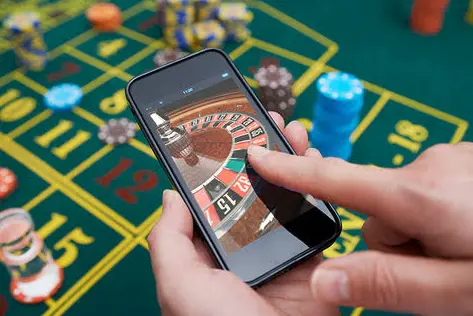
Why the Underground Floor Is a Losing Bet
Illegal casino operations do exist in the shadows, usually dressed up as private clubs or "social" card rooms. From a hardware and audit standpoint, these rooms are a nightmare. Uncertified RNGs, tampered payout tables, and zero player-protection infrastructure mean the house edge is whatever the operator decides on any given night. There is no dispute resolution, no regulator to appeal to, and no audit trail. You are not a customer on that floor — you are the product. 😤
Cross-border play is the other trap. Players sometimes assume a licensed venue in a neighboring jurisdiction makes their action legal. It does not. Jordanian law applies to the act of wagering, and currency controls plus banking surveillance make large cross-border transfers a red flag for compliance teams. The legal status of casinos does not travel with your bankroll.
Penalties and Enforcement Reality
The penalty architecture is not theoretical. Operating an illegal gaming house carries serious criminal exposure, and participation can trigger fines and detention. Authorities have shuttered underground rooms and seized equipment in coordinated raids. Payment processors and telecom providers are also pressured to block unlicensed platforms, which is why so many offshore sites quietly geo-block Jordanian IPs. The infrastructure simply is not there for a legitimate casino economy to breathe.

What This Means for Players and Operators
If you are a player, the calculus is cold: every dollar wagered on a Jordan casino floor or an unlicensed platform sits outside any legal protection. If you are an operator, the compliance math is even harsher — licensing is unavailable, so the only paths are illegal or offshore, and both carry escalating risk as enforcement tooling improves. The Jordan casino floor is not a market waiting to open; it is a market that has been deliberately closed by statute, with a single lottery exception baked in. 🎲
Audit the jurisdiction before you audit the paytable. In Jordan, the house edge is not the math on the felt — it is the law itself, and it is stacked against every player who walks onto an unlicensed floor.